
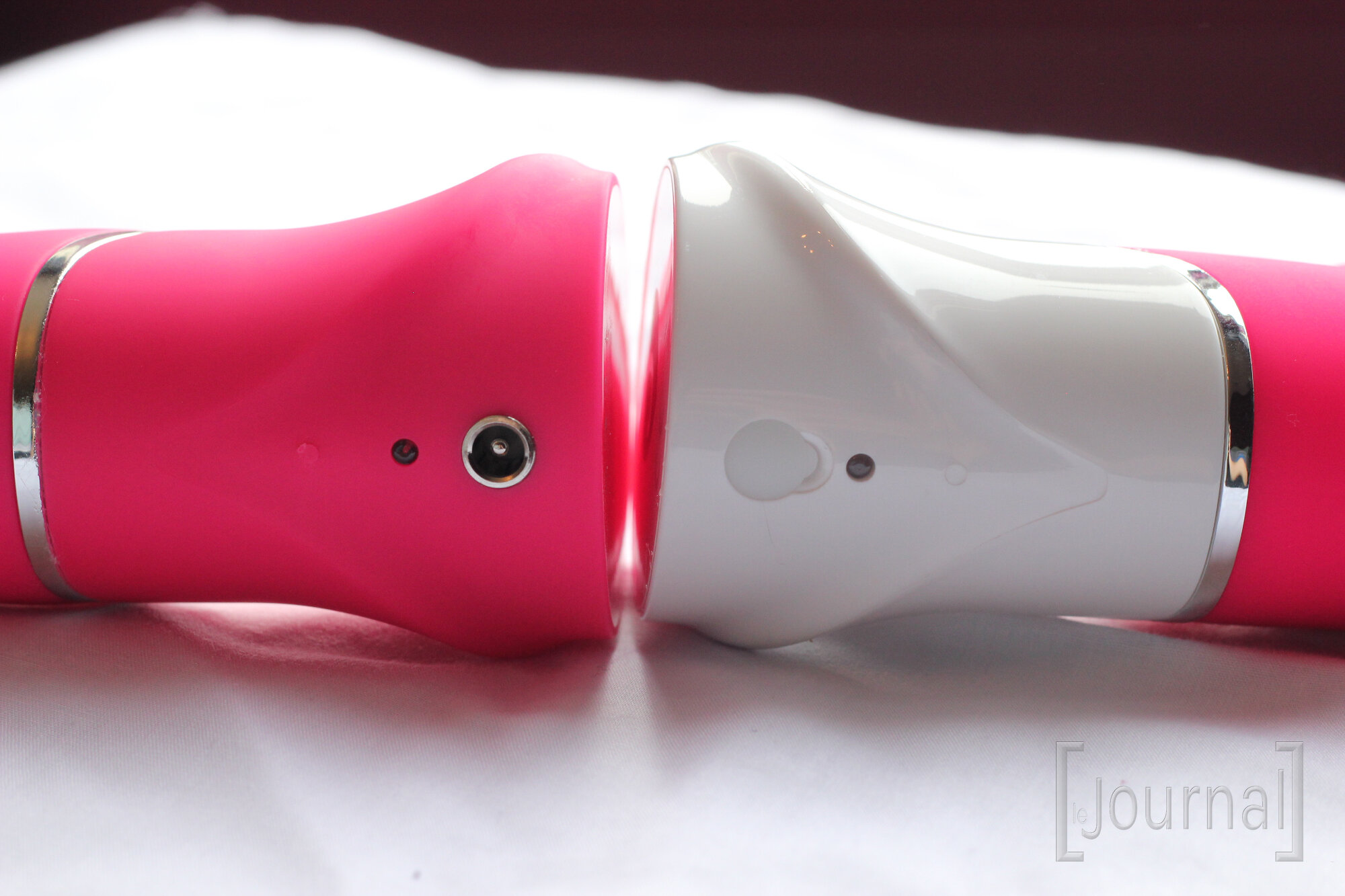
Sex tech used to mean silicone, motors and batteries. Today it also means apps that control toys from across the world and AI companions you talk to instead of touch. Reviews of all of it are everywhere, and their quality varies a lot. Some are careful, honest and written after weeks of use; others are rewritten product pages with a star rating on top. Learning to tell the difference saves money and disappointment, whether you’re choosing a vibrator or an app. Here’s how to read a sex tech review, from the spec list of a toy to the scorecard of an AI companion.
Sex tech now includes software
A toy review and an app review look more alike than you might expect. Every review on this blog opens with a list of features: the brand, the material, the length, the girth, the lube to use and the price. Reviews of AI companion apps have borrowed the same habit. An ai slut review on one adult AI directory, for example, opens with an at-a-glance box covering the starting price, the free plan, platforms, billing and payment methods, followed by a score, a short list of pros and cons and a verdict.
That shared format is useful, because it means the same reading habits apply. But the products are very different. You can hold a toy, measure it and check what it’s made of. An app lives on someone else’s server, can change overnight and is paid for month by month. A good reader keeps both facts in mind.
First, look at who wrote it
Every review is written by one person with one body, one set of preferences and one budget. Someone who loves deep, rumbly vibrations will judge a buzzy toy harshly, and someone who wants a chatty, playful companion will find a slow, thoughtful one dull. The most useful reviewers make their tastes easy to see, through a favourites list, a toy box or simply by saying what they usually like. Once you know where a reviewer stands, you can adjust their verdict to your own taste.
Then look at how the product was obtained. Many toy reviews are of products sent free by a brand or a shop, and many review sites earn a commission when readers buy through their links. Neither makes a review dishonest, but a trustworthy reviewer says so plainly, near the top or the bottom of the post, and still lists the flaws.
What a good toy review covers
The spec list is the starting point, and our guide to reading toy specs explains how to decode decibels, rpm, waterproof ratings and sizes. A good review then goes beyond the numbers and tells you the things a product page can’t:
- How the vibrations actually feel: rumbly or buzzy, and how low the lowest setting goes.
- What the noise sounds like through a closed door, not just the decibel figure.
- Firmness compared with other toys, ideally from the same brand.
- How the controls, charging and cleaning work after a few weeks, not on the first evening.
- What the packaging, storage pouch and charger are like, and whether anything rattles or wears.
Red flags in toy reviews
Be wary when no material is named, or when the only safety claim is “phthalate-free”. Phthalates are plasticisers used mostly to soften PVC, so leaving them out tells you nothing about whether the rest of the material is porous. Other warning signs: a review posted on launch day with only the brand’s own photos, a list of positives with no negatives at all, and phrases lifted word for word from the product page. If you’re shopping on a budget, our list of body-safe toys under $50 shows which materials are worth paying for.
Why AI companion reviews need a different eye
An AI companion is a moving target. The model behind it can be swapped, the content rules tightened or loosened and the prices restructured, sometimes within weeks. A review from six months ago may describe a product that no longer exists in that form. And instead of a material that touches your body, the thing to examine is what happens to your words, images and payment details once you hand them over.
That’s why the date matters more than in a toy review, and why the most useful AI reviews explain what the reviewer did: which plan they used, how long they tested and whether they went as far as cancelling and deleting their account.
What to look for in an AI companion review
- A date and a version. When the review was written or last updated, and which plan was tested.
- The full price. Free tier limits, the subscription price, any credits or tokens charged on top, and how easy it is to cancel.
- Privacy details. What is stored, whether chats are used to train the model, and how to delete your data. In the European Union, the General Data Protection Regulation gives people the right to ask for their personal data to be erased, and a good review checks whether the app makes that easy.
- Content rules and age checks. Whether the limits are clear and applied consistently, and whether the service is clearly restricted to adults.
- Memory over time. Whether the companion remembers details across days, which a single evening of testing can’t show.
- Discretion. The app’s name and icon, notification previews and what appears on your bank statement.
- Specific cons. Real weaknesses, not token complaints like “could be cheaper”.
Translating toy-review habits to apps
If you already know how to read a toy review, you know most of what you need. The questions just change shape:
- Material becomes data policy. Instead of asking whether silicone is body-safe, ask what the app keeps and for how long.
- Noise becomes discretion. Instead of decibels, think about notifications, app names and billing descriptions.
- Battery life becomes message limits. Free tiers and credit systems decide how long a session lasts before you have to pay.
- Warranty becomes cancellation. How easily you can stop paying matters as much as a one-year guarantee on a motor.
- Cleaning becomes deleting. Can you erase chats, images and the whole account, and does the review say whether it worked?
Read the review, not just the score
A score is a summary of someone else’s priorities. Read the whole review, look for the flaws, check the date and compare two or three sources before you spend anything, whether it’s on a glass dildo or a monthly subscription. And remember that your own experience is the final test: the best review in the world can only tell you what a product did for someone else.